
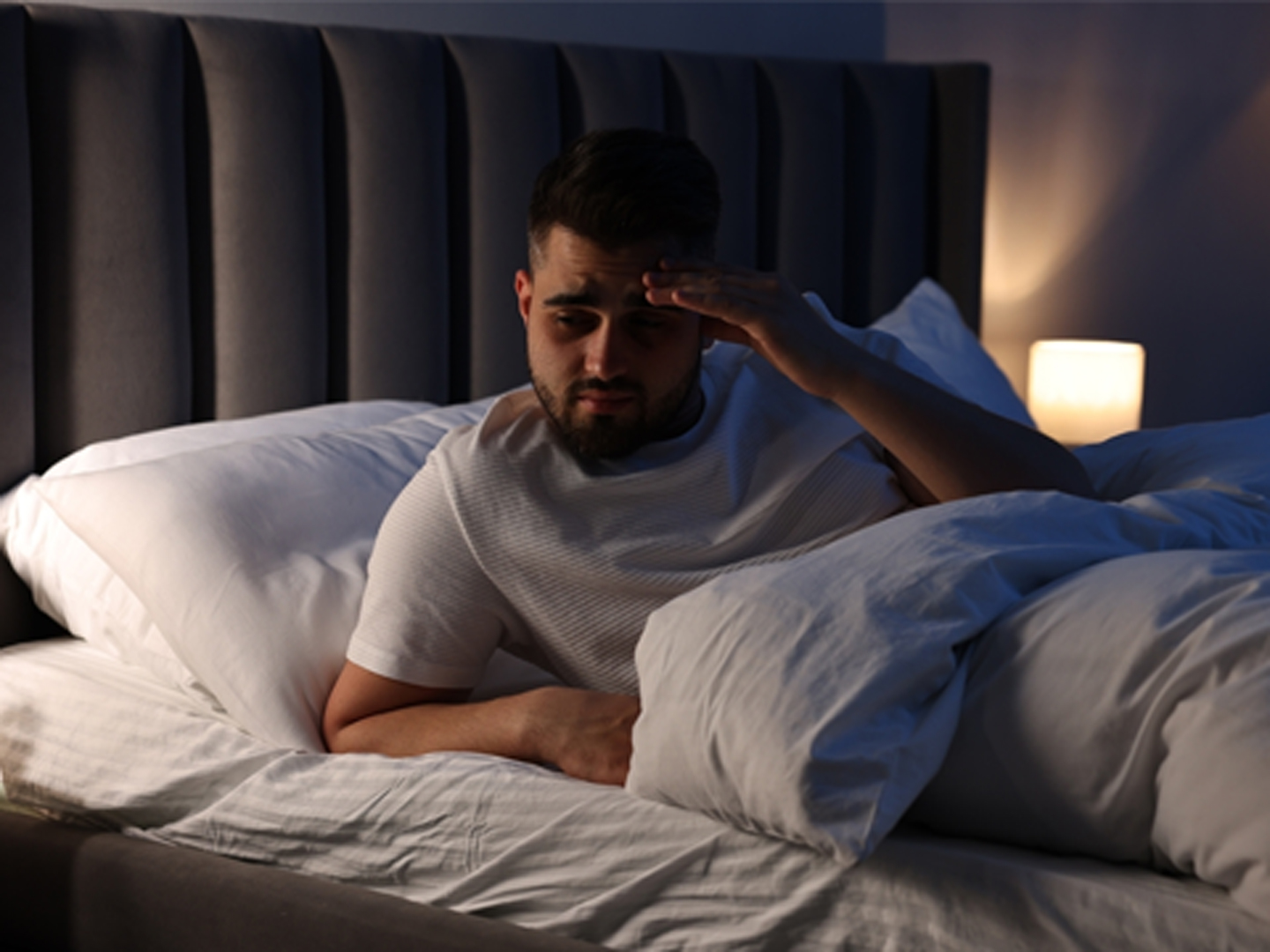
10 reasons of sleep disorder and how to treat them
Millions of people in the UK lie awake every night staring at the ceiling. They're tired, frustrated, and sleep just won't come. Sleep disorders are far more common than most people realize. In fact, the NHS estimates that a third of adults in the UK struggle with poor sleep at some point in their lives. The good news is that most sleep disorders & insomnia have clear causes and real, proven treatments. This guide walks you through 10 of the most common reasons people can't sleep and exactly what you can do about each one.
10 reasons of sleep disorder
1. Stress and anxiety
Why it happens: Stress is one of the biggest sleep thieves in the UK. When your mind won't stop racing, falling asleep feels impossible. Anxiety keeps your nervous system in a state of alert, which is the exact opposite of what your body needs to rest.
How to treat it:
- Practice deep breathing or progressive muscle relaxation before bed
- Try Cognitive Behavioural Therapy for Insomnia (CBT-I), which is recommended by NICE guidelines
- In some cases, a doctor may prescribe short-term anxiety or sleep medication to break the cycle
2. Insomnia
Why it happens: Insomnia can be triggered by stress, poor habits, medical conditions, or certain medications. It often becomes a self-reinforcing cycle where the fear of not sleeping makes sleep even harder.
How to treat it:
- Stick to a fixed sleep and wake time every day, including weekends
- Avoid screens for at least an hour before bed
- CBT-I is the first-line treatment recommended by the NHS
- Short-term prescription sleep medicines, such as zopiclone or nitrazepam, can help when insomnia is severe
3. Sleep apnoea
Why it happens: Excess weight, a narrow airway, or the muscles in your throat relaxing too much during sleep can all cause airway blockages.
How to treat it:
- A CPAP (Continuous Positive Airway Pressure) machine keeps your airway open during sleep
- Losing weight can significantly reduce symptoms
- Sleeping on your side rather than your back helps in many cases
- Surgery is an option for structural causes
4. Poor sleep hygiene
Why it happens: Irregular sleep times, napping too late, drinking caffeine in the afternoon, or using your bed for work and screens all disrupt your body's natural sleep rhythm.
How to treat it:
- Go to bed and wake up at the same time every day
- Keep your bedroom cool, dark, and quiet
- Avoid caffeine after 2 pm and alcohol within three hours of bedtime
- Use your bed only for sleep, not screens or work
5. Restless legs syndrome (RLS)
Why it happens: RLS is linked to low iron levels, kidney problems, pregnancy, or genetics. It may also be a side effect of some antidepressants.
How to treat it:
- A blood test can check for iron deficiency, which is a treatable cause
- Reducing caffeine and alcohol often helps
- Stretching and warm baths before bed provide relief
- Prescription medicines such as dopamine agonists can be prescribed by a doctor
6. Shift work and irregular schedules
Why it happens: Light exposure, meal timing, and social schedules all influence your internal clock. Shift work puts all of these out of sync.
How to treat it:
- Use blackout curtains and an eye mask when sleeping during the day
- Take melatonin supplements to help reset your body clock
- Keep your sleep schedule as consistent as possible even on days off
- Discuss short-term sleep aids with a pharmacist or doctor
7. Chronic pain
Why it happens: Conditions like arthritis, fibromyalgia, back pain, or nerve pain cause discomfort that interrupts sleep.
How to treat it:
- Work with a GP to manage the underlying pain condition
- CBT and mindfulness-based approaches help people manage pain-related sleeplessness
- Adjusting sleeping position and using supportive pillows can reduce discomfort
- In some cases, low-dose pain relief or nerve pain medication taken at night can improve sleep quality
8. Caffeine and alcohol
Why it happens: Caffeine blocks adenosine, a chemical that builds sleep pressure. Alcohol suppresses REM sleep and causes nighttime waking as it wears off.
How to treat it:
- Cut caffeine off by early afternoon; it has a half-life of around 5–6 hours
- If you drink alcohol, allow at least 3 hours before bed
- Drink water or chamomile tea in the evenings instead
9. Depression
Why it happens: Depression alters brain chemistry in ways that disrupt sleep regulation. It affects serotonin and melatonin pathways that control your sleep-wake cycle.
How to treat it:
- Treating the depression itself is the most effective route; talk to a GP
- Antidepressants may be prescribed, and some also improve sleep
- Regular exercise, even light walking, has proven benefits for both depression and sleep
- Structured daily routines help stabilise mood and sleep patterns
10. Menopause and hormonal changes
Why it happens: Falling oestrogen levels affect the hypothalamus, the part of the brain that regulates body temperature. Night sweats cause frequent waking.
How to treat it:
- HRT (Hormone Replacement Therapy) is the most effective treatment for menopausal symptoms
- Keeping the bedroom cool and using breathable bedding helps manage night sweats
- Avoiding triggers like spicy food, caffeine, and alcohol reduces hot flushes
- Some women benefit from low-dose anxiety or sleep medications
When to seek professional help
Chronic insomnia deserves professional attention. A doctor can rule out underlying conditions, assess whether medication may help, and refer you to a sleep specialist if needed. At MidlandsRx, we are dedicated to helping you maintain your total body health, which includes the quality sleep your body needs to thrive. See a doctor about your sleep if:
- → You have difficulty sleeping (falling asleep or staying asleep) at least 3 nights a week for more than 3 months
- → You wake up feeling unrested, no matter how long you've been in bed
- → Your bed partner has noticed that you snore loudly, gasp, or stop breathing while you sleep
- → You can't control the urge you have to move your legs at night that keeps you from resting
- → Daytime fatigue is affecting your ability to work safely, drive safely or function normally
- → You are using sleep aids—whether they are prescription or over-the-counter—more than occasionally
- → You began having trouble sleeping after you started a new medication or after a major health event
- → You have poor sleep along with low mood, anxiety or other mental health symptoms
Choose MidlandsRx for sleep and insomnia medication
Sleep problems can ruin your concentration, mood, and daily routine. MidlandsRx offers trusted sleep and insomnia medicines with a safe and discreet online service throughout the UK. Why select us for sleep & insomnia medication:
- Genuine and high-quality sleep medicines from trusted pharmaceutical sources.
- Fast and discreet delivery for complete privacy and convenience.
- Easy WhatsApp ordering process without unnecessary hassle.
- Affordable prices with reliable customer support.
- Safe packaging and secure payment options for peace of mind.
FAQ about sleep disorders
Why can’t I sleep even when I feel tired?
Stress, anxiety, poor sleep habits, or medical conditions can keep your brain active even when your body feels exhausted.
What is the most common sleep disorder?
Insomnia is the most common sleep disorder, causing difficulty falling asleep or staying asleep.
How many hours of sleep does an adult need?
Most adults need around 7–9 hours of quality sleep each night for proper health and brain function.
Can phone use before bed affect sleep?
Yes, blue light from phones and screens can reduce melatonin production and make it harder to fall asleep.
When should I see a doctor for sleep problems?
You should seek medical help if sleep problems continue for weeks, affect daily life, or cause extreme daytime tiredness.